

 First Nation Shell Middens And True Oysters
One of the now rare species of oysters in the Pacific Northwest is the Olympia oyster, Ostrea lurida...
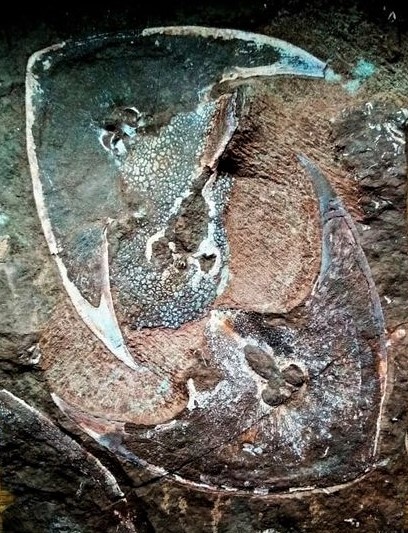 Zenaspis: Lower Devonian Bony Fish Of Podolia, Ukraine
A Devonian bony fish mortality plate showing a lower shield of Zenaspis podolica (Lankester, 1869)...
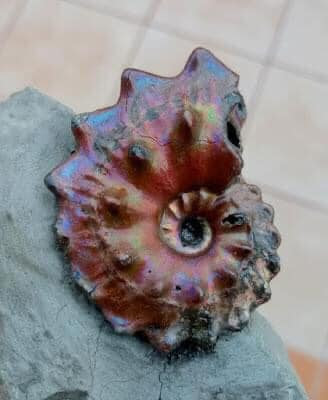 Oil in Water Beauty: Euhoplites of Folkstone
Sheer beauty — a beautiful Euhoplites ammonite from Folkstone, UK. These lovelies have a pleasing...
 Carnotaurus sastrei: Flesh Eating Bull
Carnotaurus sastrei, a genus of large theropod dinosaurs that roamed the southern tip of Argentina...
       |
Heidi Henderson Musings in Natural History—meant to captivate, educate and inspire. |
Blogroll |




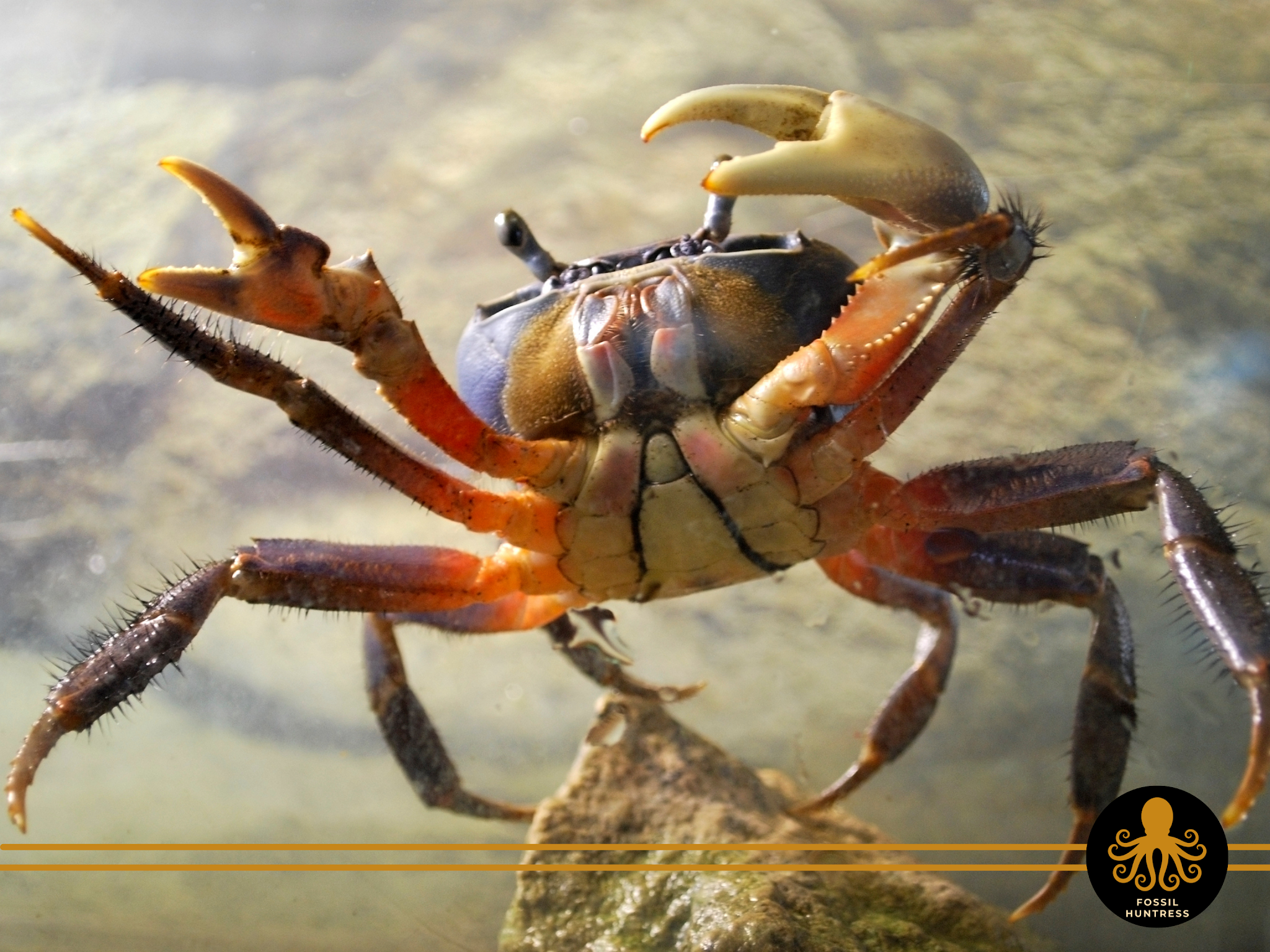 Look how epic this little guy is! He is a crab — and if you asked him, the fiercest warrior that ever lived. While that may not be strictly true, crabs do have the heart of a warrior and will raise their claws, sometimes only millimetres into the air, to assert dominance over their world.
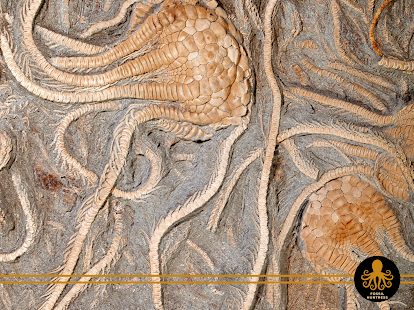

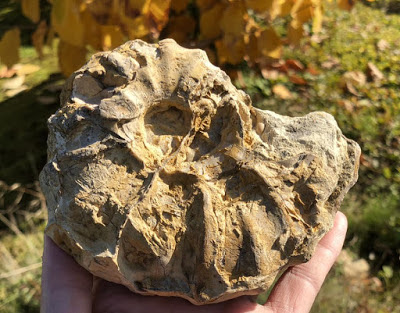

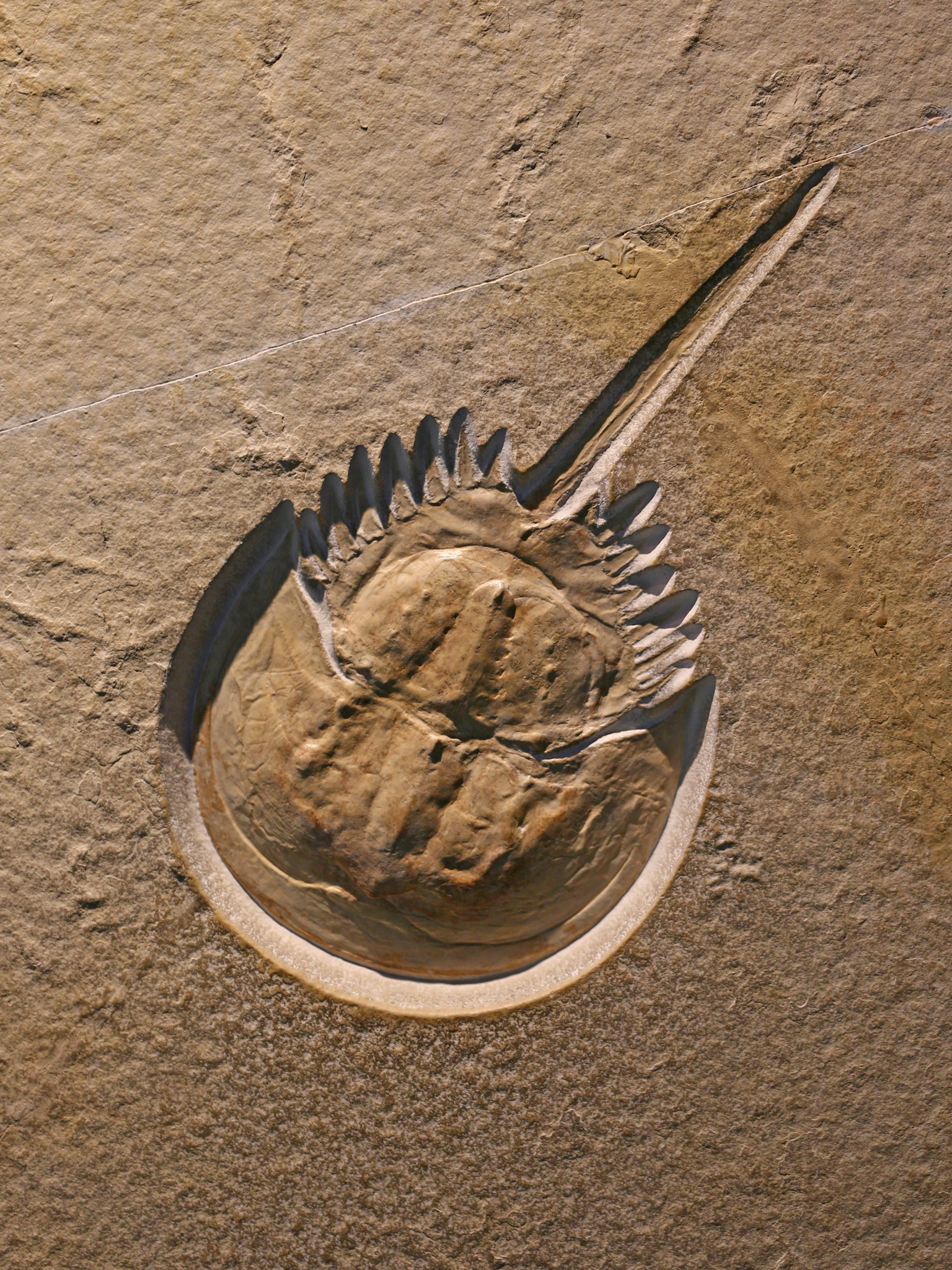 Horseshoe crabs are marine and brackish water arthropods of the order Xiphosura — a slowly evolving, conservative taxa.

